
Its really Super intelligence, not artificial intelligence anymore
We call it "artificial" intelligence, as if it's a fake version of the real thing. It stopped being fake a while ago. Here's what that actually means for you.
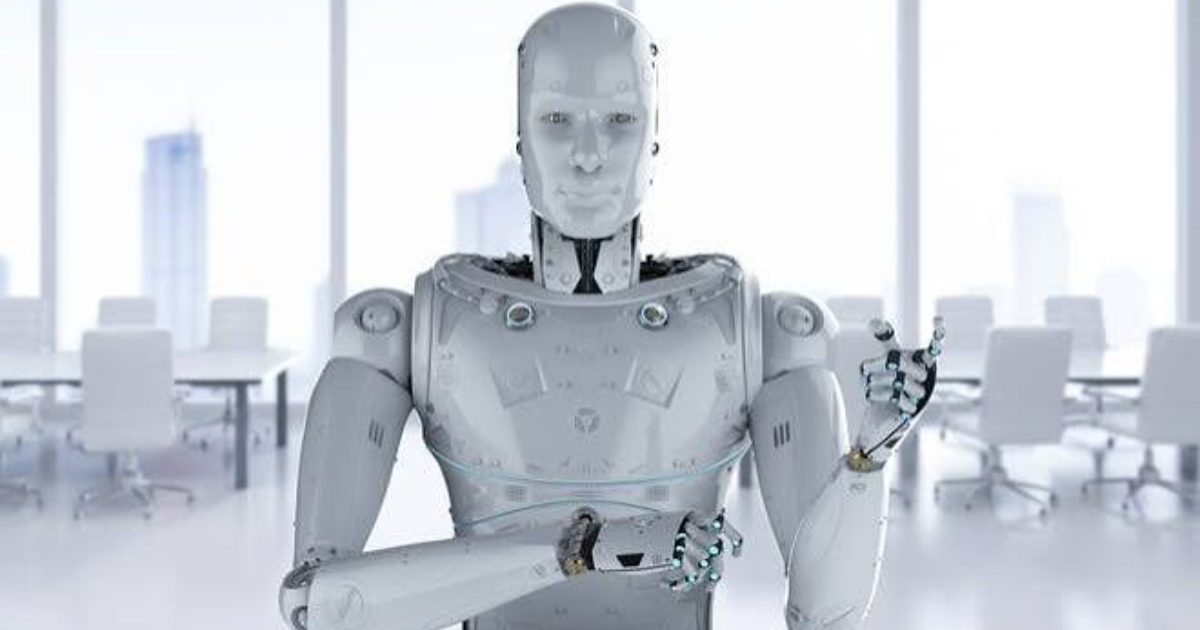
Think about the word "artificial."
Artificial flowers. Artificial flavour. The word always means the same thing: this is the pretend version. It looks like the real thing, but you would never mistake one for the other.
That is the word we chose, back in the 1950s, for machines that think. At the time it fit perfectly. The machines were not really thinking. They were following instructions very fast and we were impressed by the trick.
Nobody updated the name. But the thing itself changed.
It is already better than us at some things
Not "one day it will be." Already.
Chess was the first one people noticed. In 1997 a computer beat the world champion, and today no human alive can beat a good chess program. Not the best player in the world. Nobody.
Then came the harder stuff. There is a question in biology about how the tiny building blocks inside your body fold themselves into shape. Scientists worked on it for fifty years. A machine solved it, then went ahead and did it for almost every one of those building blocks we know about. That work helps people design medicine.
And now the everyday version. You can ask a chatbot to write a letter, explain a contract, translate into Swahili, or check your homework, and it will do it in seconds. Not perfectly. But often better than the average person could, and far faster.
When a thing is better than you at something, "pretend version" is no longer the right description.
But it is not better at everything
This is the part people get wrong in the other direction, so let me be plain.
These machines are brilliant in narrow strips and blank everywhere else. The chess program cannot do anything but chess. The chatbot cannot look out of your window, cannot remember your birthday unless you tell it again, and cannot tell when it is confidently wrong.
That last one matters most. It will give you a wrong answer in the exact same calm, certain voice it uses for the right ones. It has no way of feeling unsure.
So no, it is not smarter than you in the full sense. It is faster and wider than you in a growing number of specific tasks, while having no judgement at all about which tasks matter.
What this means for your work
The old way of thinking was simple: the computer is the tool, I am the brain. That is the part that has actually changed, and it changes what your job is.
Your value is no longer being the one who types it out. Your value is knowing what needs doing, checking what comes back, and carrying the responsibility when it goes out into the world with your name on it.
A practical way to sort it:
- Hand over the boring, repeated work. First drafts, summaries, replying to the same question for the hundredth time, tidying up messy records. If it goes wrong, you just fix it.
- Keep your hands on anything involving money, the law, or a customer's trust. Not because the machine is stupid, but because it is confident, and it will not be the one explaining the mistake to your client.
- Check before you send. Every time. It takes a minute and it is the whole difference between using the tool and being embarrassed by it.
The name will stick anyway
We still say we "dial" a number on phones that have no dial. Names hang around long after they stop being accurate, and "artificial intelligence" will probably outlive all of us.
Just be aware of what the word does to you. "Artificial" is comforting. It whispers that you are still the real one, still comfortably ahead. On a growing list of specific jobs, you are not, and the people who notice that early will spend the next few years doing the parts that were always theirs.